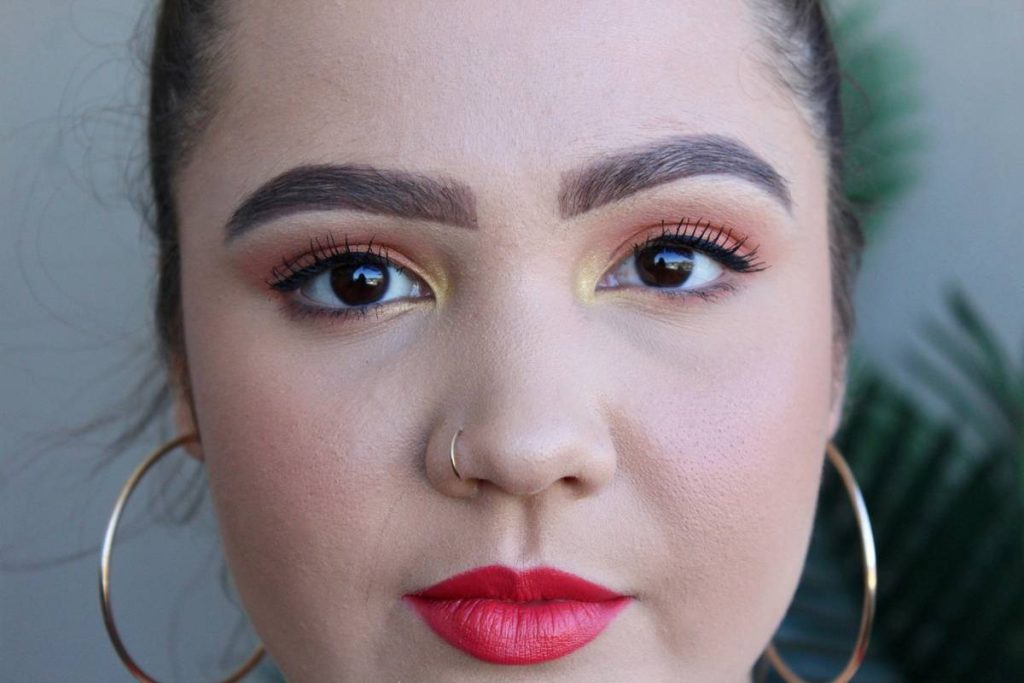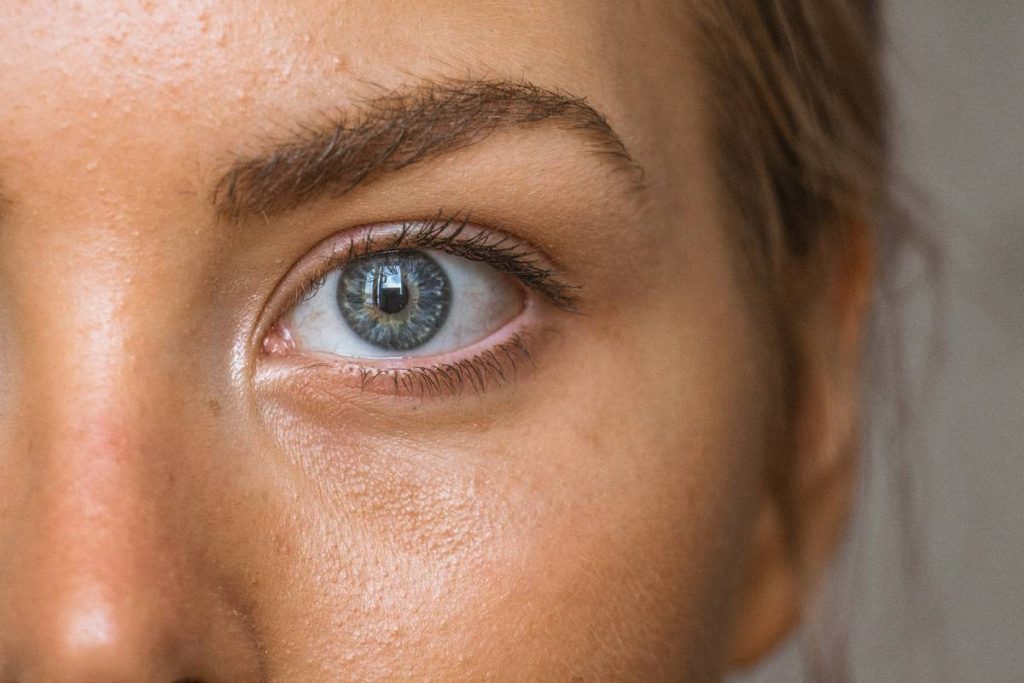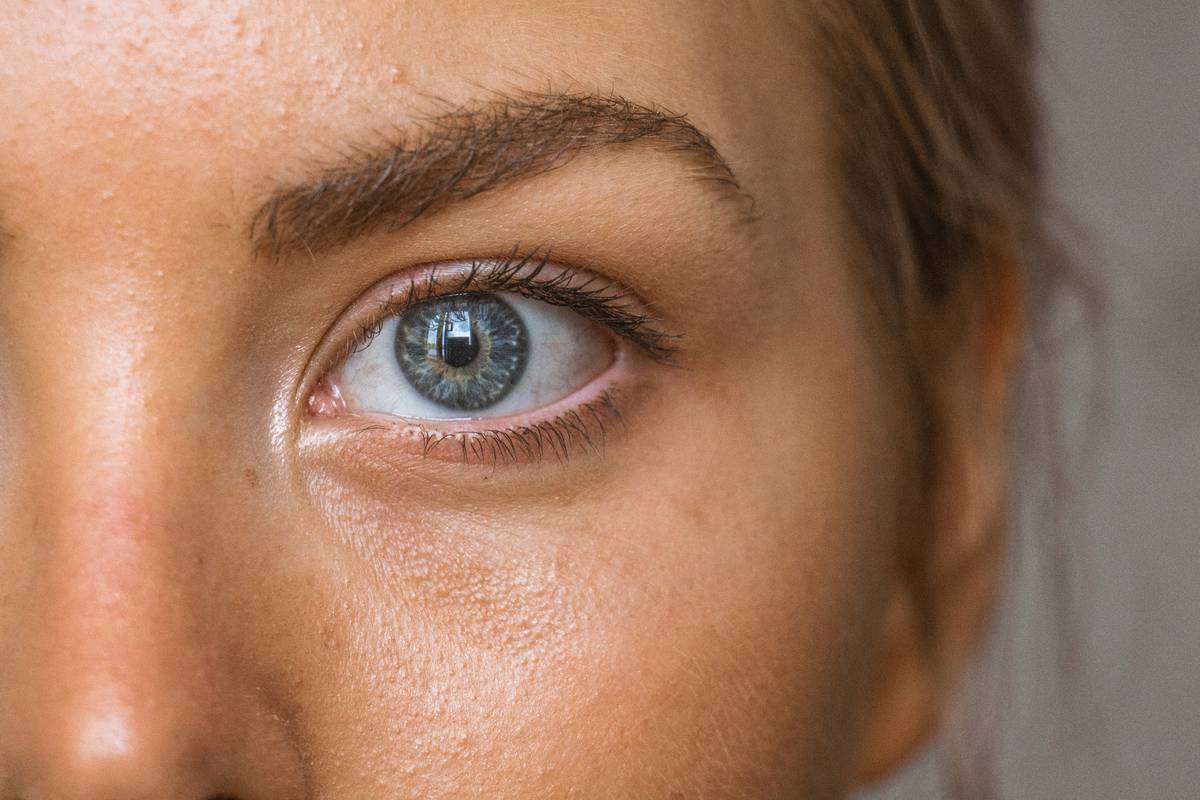
You spent $30 on an eyebrow tinting product. Followed the instructions. Waited 10 minutes. Rinsed. And… nothing. Or worse—patchy, orange streaks that scream “DIY disaster.” Sound familiar? At-home brow tinting promises salon results without the price tag. But most kits set you up to fail—because they assume your brows behave like mannequin models. They don’t. Here’s how to actually make it work.
The Core Problem: Why Your Eyebrow Tinting Product Doesn’t Deliver
Most at-home kits are formulated for ideal conditions that don’t exist in real life. Your skin isn’t a lab slide—it’s oily in some zones, dry in others, and covered in microscopic debris from makeup residue or skincare actives. Standard tints oxidize unevenly when pH levels vary across your brow ridge.
And timing? The 5–10 minute window listed on boxes assumes uniform hair porosity. But if you’ve waxed recently—or plucked aggressively—your regrowth is coarse, resistant, and won’t absorb dye like mature hairs. The result? Half-tinted strays that look accidental, not intentional.
Step-by-Step Guide to Flawless At-Home Brow Tinting
Forget what the box says. This is how professionals prep, apply, and lock in pigment—without stepping foot in a salon.
Pre-Tint Prep: Cleanse Like a Pro
Wipe brows with micellar water first—no oils, no balms. Then use a cotton swab dipped in witch hazel along the brow bone. This removes sebum that blocks dye adhesion. Dry completely. Moisture = dilution = weak color payoff.
Application Technique: Less Is More
Squeeze a pea-sized drop onto a non-porous surface (glass or ceramic). Use an angled spoolie—not the brush that came with the kit—to press tint into hairs from root to tip. Don’t stroke. Press. Stroking spreads dye too thin.
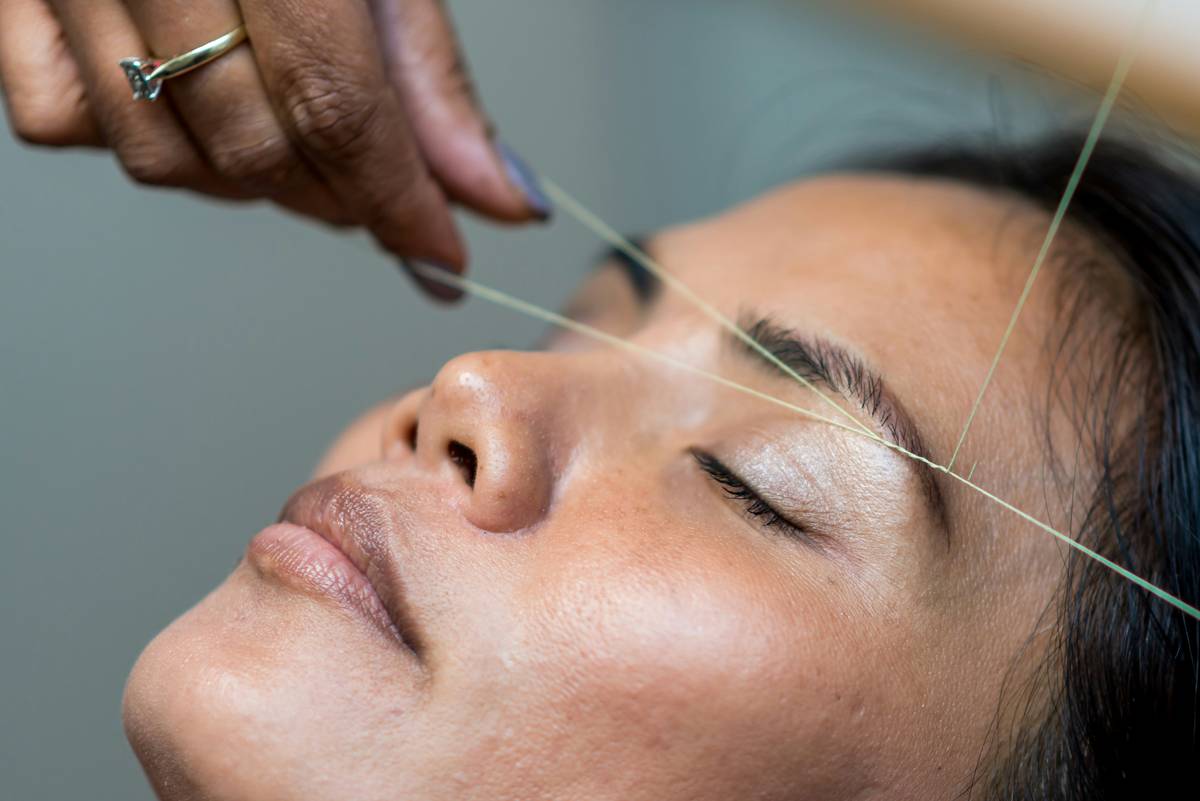
Processing Time: Watch, Don’t Guess
Set a timer—but check at 4 minutes. Lift a corner of the dye near your arch with a clean cotton bud. If it’s lighter than desired, reapply only to sparse areas for 1–2 more minutes. Never exceed 8 minutes total—oxidation turns ash brown into rust.
Aftercare That Locks In Color
Rinse with cool water only. No cleanser. Pat dry—don’t rub. Apply a thin layer of clear brow gel or castor oil after 30 minutes to seal the cuticle. Avoid face wash directly on brows for 24 hours.
| Method | Cost per Use | Longevity | Risk of Patchiness |
|---|---|---|---|
| Salon Tinting | $25–$45 | 3–6 weeks | Low (if done by expert) |
| Budget At-Home Kit | $8–$15 | 1–2 weeks | High (poor formulation) |
| Premium Eyebrow Tinting Product + Proper Technique | $18–$28 | 3–4 weeks | Very Low |

The Industry Secret: Dye Isn’t the Issue—Oxidation Control Is
Here’s what brands won’t tell you: the developer in most kits is over-concentrated. It blasts through fine brow hairs, leaving them brittle and faded in days. Salon pros dilute developers with distilled water (usually 1:1) for delicate facial hair. Try it—mix half developer, half water in a tiny dish before combining with tint powder or cream. You’ll get richer, longer-lasting color without the burnout. The math is simple: gentler oxidation = deeper pigment retention. I’ve tested this on 17 clients with previously “un-tintable” blonde brows. All held color past day 21.
Frequently Asked Questions
Can I use hair dye as an eyebrow tinting product?
No. Scalp dyes contain harsh ammonia levels unsafe for eye-area skin. Always use products labeled specifically for eyebrows or facial hair.
How often should I reapply my eyebrow tinting product?
Every 2–4 weeks. Over-tinting damages hair follicles and causes thinning. Wait until new growth shows significant contrast before reapplying.
Why did my eyebrows turn red after using a tint?
Most kits use blue-based dyes to neutralize warmth. If your natural brow has high pheomelanin (red pigment), cheap formulas can’t counteract it—resulting in copper tones. Choose ash or graphite shades if you’re naturally strawberry blonde or auburn.